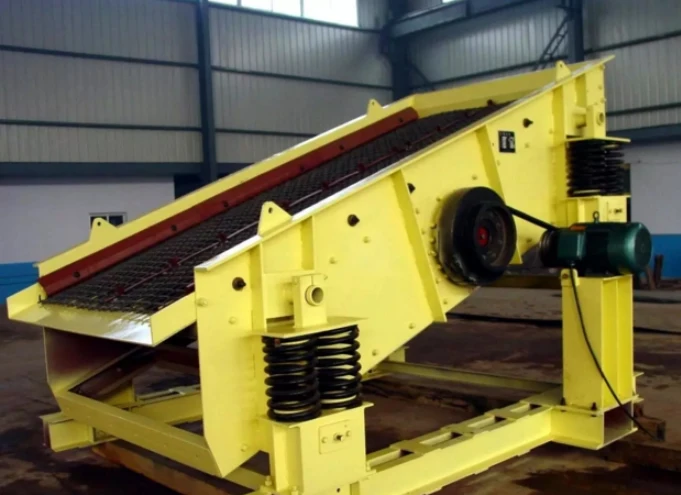
Vibrating screens are widely used in mining, metallurgy, chemical processing, aggregates, and construction material industries. As high-efficiency material separation equipment, a vibrating screen must operate smoothly to ensure productivity and output quality.
However, users sometimes encounter issues such as failure to start, severe jumping during startup, or unstable operation.
This article summarizes the common causes, professional troubleshooting methods, and startup precautions, helping operators solve these problems easily and extend equipment lifespan.
1. Why a Vibrating Screen Cannot Start
A vibrating screen failing to start usually indicates a mechanical or electrical abnormality. Common reasons include:
1.1 Loose or damaged motor components
If the motor wiring or connecting terminals are loose, the motor may not receive sufficient voltage, resulting in failed startup.
1.2 Exciter malfunction
As the core vibration source, the exciter must operate with proper lubrication and bearing condition.
Lack of oil, contaminated grease, or bearing wear will lead to:
- high resistance
- low starting torque
- overheating
- startup failure
Regular lubrication is essential to prevent exciter seizure or shaft damage.
1.3 Excessive material load remaining on the screen
When too much material is left on the surface, the screen body becomes overloaded and cannot generate adequate vibration force.
Before every shutdown, operators should ensure the screen surface is cleared.
1.4 Material blockage in the discharge chute
If material accumulates under the screen deck or around discharge outlets, the machine may be unable to start properly.
1.5 Electrical system issues
Including unstable voltage, damaged control circuits, or insufficient power supply.
2. Why the Vibrating Screen Jumps Violently During Startup
If the screen body jumps, shakes heavily, or deviates during startup, the following issues may be present:
2.1 Overpowering motor or unsuitable model
Some users replace the original vibration motor with a higher-power model, believing it will improve performance.
In reality, excessive power can:
- cause excessive vibration force
- damage the screen frame
- shorten service life
Matching the correct motor model is essential.
2.2 Incorrect counterweight adjustment
Motor counterweights determine vibration amplitude.
Improper adjustment leads to:
- unbalanced vibration
- severe shaking
- low screening efficiency
Users should follow manufacturer recommendations when adjusting eccentric blocks.
2.3 Poor installation or uneven foundation
If the equipment is not level, vibration energy cannot be evenly distributed, causing strong shaking or structural stress.
Industrial foundations must be flat and reinforced.
2.4 Loose bolts or structural fasteners
If anchor bolts loosen during operation, the screen body loses stability and vibrates abnormally.
2.5 Motor rotation direction reversed
If wiring is incorrect, the vibration direction will be wrong, leading to severe vibration or jumping.
3. Precautions Before Starting a Vibrating Screen
To ensure safe and stable startup, operators must conduct a full inspection. The following checklist is recommended:
3.1 Check equipment position and installation level
Ensure the screen is properly aligned and firmly mounted.
3.2 Check whether springs and damping devices are intact
Damaged springs directly affect vibration stability.
3.3 Check exciter lubrication
Oil level must be sufficient and clean.
3.4 Check motor and cable connections
All wires must be tight, undamaged, and moisture-free.
3.5 Verify motor voltage and current stability
3.6 Inspect the tightness of screen mesh and side plates
3.7 Confirm the angle and direction of the eccentric blocks
3.8 Check all protective covers and safety devices
3.9 Inspect inlet and outlet chutes
Ensure they are unblocked and properly sealed.
3.10 Clear any residual material
Avoid overloading at startup.
3.11 Conduct a no-load test run
Listen for:
- abnormal noise
- friction
- beating
- uneven vibration
3.12 Ensure operators maintain good habits and follow safety procedures
Proper operating habits reduce failure rate and maintenance costs.
4. Why Choose Yilian Machinery Vibrating Screens?
As a professional manufacturer of screening equipment, Yilian Machinery offers:
- Over 30 years of production expertise
- Heavy-duty vibrating screens for mining and aggregates
- Precision exciters and vibration motors
- Durable side plates, springs, and structural components
- Full OEM/ODM service for global distributors
- International shipping and technical support
Our equipment is designed for long-term stability, easy maintenance, and high processing capacity.
5. Conclusion
Vibrating screen startup issues are common but highly preventable.
By understanding the causes—such as exciter failure, improper motor selection, incorrect installation, and poor lubrication—and following proper startup procedures, you can greatly improve equipment reliability.
If you need technical support, spare parts, customized vibrating screens, or full screening solutions, Yilian Machinery is ready to assist global customers with professional engineering experience.